Crimes Against People with Disabilities: Understanding Victimization, Vulnerability, and the Need for Justice

Understanding Crimes Against Individuals with Disabilities The criminal justice system and society are gravely concerned about crimes committed against individuals with disabilities. Physical assault, sexual violence, financial exploitation, neglect, harassment, and discrimination are just a few of the ways that people with physical, intellectual, developmental, sensory, or mental health challenges may be victimized. In certain […]
Victims Need More Support: Their Voices Matter and their Journeys Matters

Victims Need More Than Just Compassion More than sympathy is due to victims of abuse, crime, violence, and other horrific events. They should have access to resources, protection, and genuine assistance, as well as a legal system that acknowledges the long-term effects of victimization. All too frequently, society ignores the people and families whose lives […]
The Scientific Revolution in Criminal Investigations
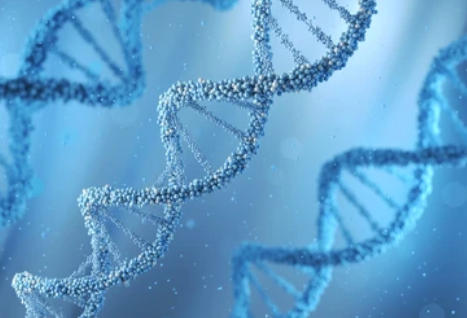
How DNA Evidence Revolutionized Criminal Justice The criminal justice system has undergone a fundamental transformation since the advent of DNA evidence, which has completely changed how law enforcement organizations investigate crimes, identify suspects, and make links between people and crime sites. Investigators mostly relied on eyewitness accounts, fingerprints, confessions, and conventional forensic methods prior to […]
The Role of Victims in the Criminal Justice System

Recognizing Victims’ Significance in Criminal Justice Although victims are crucial to the criminal justice system, historically, offenders, criminal investigations, and punishment have received most of the attention in the legal system. Victims are harmed financially, emotionally, psychologically, or physically by criminal behavior. Their experiences are essential to comprehending the repercussions of crime and the significance […]
Criminal Justice and Race: Understanding Inequality, Fairness, and the Pursuit of Justice
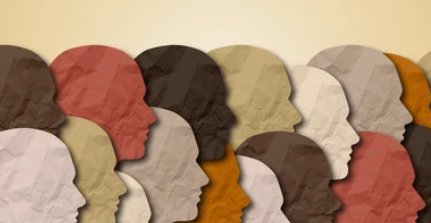
The Connection Between Criminal Justice and Race The history and evolution of the criminal justice system in the United States have been significantly influenced by race. Racial inequities have been a major concern from the early days of American law enforcement to current debates about policing, sentencing, and incarceration. The goal of the criminal justice […]
The Use of Expert Witnesses in Criminal Trials

Expert Witnesses’ Contributions to a Trial Expert witnesses assist juries and judges in comprehending evidence that calls for certain expertise, education, or experience. Their testimony may cover topics like toxicology, digital evidence, DNA analysis, or mental health in criminal trials. Experts assess data and explain its importance, in contrast to witnesses who recount events they […]
Human Trafficking Myths and Realities
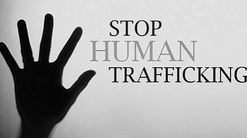
Myth: Kidnapping Is Always a Part of Human Trafficking Human trafficking is frequently shown in films as when a stranger kidnaps someone and transports them over a border. Foreign travel or transportation are not necessary for trafficking. It is possible for someone to be exploited inside their own community. To control someone, traffickers may employ […]
Labeling Theory and the Creation of Criminal Identities

The Transformation of an Act into an IdentityWhat happens if a young person who shoplifts once is labeled as a “delinquent”? According to labeling theory, the focus is shifted from the initial act to what transpires once others become aware of it. An everyday argument in the classroom could be seen by a teacher as […]
Criminal Evidence: The Criminal Justice System’s Basis for Justice

Comprehending Criminal Evidence and Its Significance As the cornerstone of criminal investigations, prosecutions, and trials, criminal evidence is essential to the administration of justice. Information, testimony, tangible items, records, and digital resources are examples of evidence that can be used to determine whether a crime was committed and who is accountable. Evidence is crucial in […]