Miranda Rights Today…

Rights Protected by Miranda Miranda rights are still a crucial protection in the criminal justice system of the United States. These warnings, which were established by *Miranda v. Arizona* in 1966, advise individuals of their right to an attorney both before and during interrogation, their right to remain silent, and the possibility that their words […]
Deterrence in the Criminal Justice System

Understanding Deterrence In the subject of criminal justice, deterrence focuses on using the expected repercussions of breaking the law to deter crime. According to the theory, people might think twice before committing a crime if they think there will be significant repercussions. But humans don’t always use meticulous computation while making decisions. Deterrence is a […]
Housing Insecurity After Incarceration
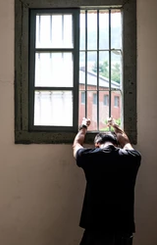
The Difficulty of Locating a Residence Rebuilding daily routines, relationships, and financial security are all part of reentering the community following jail. One of the first and hardest things to do is to find a safe location to reside. Housing possibilities may be limited by a criminal record, little savings, gaps in renting history, and […]
Preventing Corruption in the Criminal Justice System

Establishing an Integrity Culture Deterring corruption in the criminal justice field begins with the standards people practice every day. Integrity is crucial to the work of police departments, courts, and correctional facilities since they have the power to significantly impact people’s lives. When it comes to honesty, conflicts of interest, gifts, handling of evidence, and […]
Why Criminal Justice Professionals Must Never Stop Learning

Adjusting to a Changing CareerLong after graduation or academy training, criminal justice professionals must continue to learn. Over the course of a career, technology, community demands, and organizational obstacles evolve. Officers, lawyers, correctional staff, and other professionals require opportunities to challenge established procedures and learn new techniques. Continuing education enables them to identify areas in […]
The Value of Higher Education for Police Officers

Developing Critical Thinking and Judgment SkillsPolice officers frequently evaluate inadequate information, weigh conflicting explanations, and make important decisions. Officers can develop these abilities through research, discussion, and analysis in higher education. Studying sociology, psychology, criminal justice, or other fields can assist them in closely examining presumptions and assessing the facts. When paired with hands-on training […]
The Role of Judges in Criminal Cases
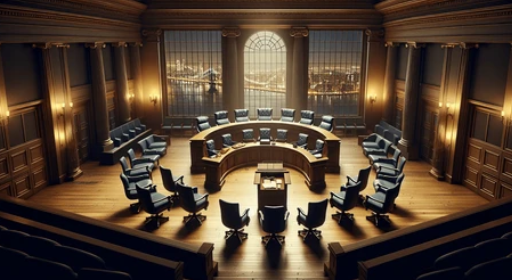
Ensuring Equitable and Organized Procedures To ensure that criminal cases are handled effectively and fairly, judges are essential. They supervise court proceedings, clarify relevant protocols, and ensure that participants behave professionally. Judges must maintain objectivity and base their decisions on the law and the issues at hand, even while prosecutors and defense lawyers push for […]
Protecting Civil Liberties During Counterterrorism Operations
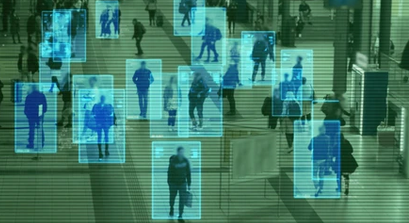
Balancing Individual Freedom and Public Safety Protecting the public while upholding the liberties that characterize a democratic society is a major duty of counterterrorism operations. Fear and haste can lead to pressure to increase governmental authority, but good leadership necessitates careful consideration of rights to privacy, freedom of expression, freedom of religion, and equitable treatment. […]
Common Mistakes Made During Crime-Scene Investigations
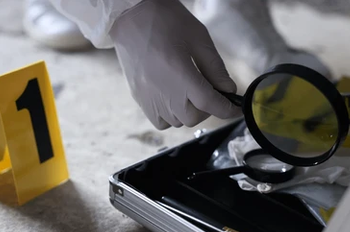
Securing the SceneFailing to create and maintain a secure perimeter is one of the most serious errors in a crime-scene investigation. Unauthorized entry can disrupt evidence, add new material, and make it challenging to identify what was there in the first place. Investigators also need to think about whether pertinent evidence is found in places […]