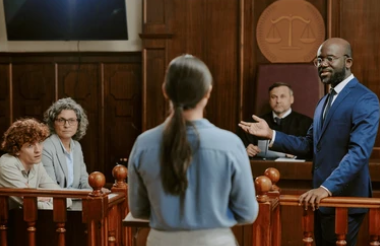
Expert Witnesses’ Contributions to a Trial
Expert witnesses assist juries and judges in comprehending evidence that calls for certain expertise, education, or experience. Their testimony may cover topics like toxicology, digital evidence, DNA analysis, or mental health in criminal trials. Experts assess data and explain its importance, in contrast to witnesses who recount events they personally witnessed. Their input is most beneficial when they acknowledge what the data cannot prove and interpret complicated results into understandable terms.
Assessing Methods and Qualifications
While credentials are important, they do not ensure a trustworthy view. Courts must determine whether the proposed expert testimony meets the relevant admissibility requirements, which differ depending on the jurisdiction. Whether the expert employed a suitable method, relied on adequate information, and applied that strategy correctly are all crucial considerations. A strong title or self-assured presentation can give an unsubstantiated conclusion more weight than it merits if it is carefully considered.
Challenging Expert Opinions
Meaningful scrutiny is crucial because expert testimony can have a significant impact on juries’ interpretation of the facts. Attorneys can challenge an expert’s presumptions, techniques, potential bias, and level of certainty through cross-examination. Opposing specialists may also point out flaws in an analysis or explain different perspectives. Disagreement does not always indicate dishonesty on the part of each expert; rather, it may highlight ambiguity, variations in methodology, or limitations in the evidence that jurors must comprehend.
Encouraging Fair and Informed Decisions
Expert witnesses are most beneficial to the legal system when they maintain objectivity and make a clear distinction between scientific results and conjecture. They should refrain from presenting their conclusions as answers to all of the case’s questions, explain uncertainty, and refrain from exaggerating precision. It is also the duty of attorneys and judges to make sure that crucial limitations are not obscured by technical jargon. When used properly, expert testimony can assist juries in assessing complex evidence and making more educated choices regarding the prosecution’s case and the defense’s defense.
Join us
🌐 Website: https://drgeorgeackerman.com/
📚 Amazon Author Page: amazon.com/author/drgeorgeackerman
📧Email: QAwithProfAckerman@gmail.com
🎙️Podcast: https://drgeorgeackerman.com/podcast/
💼 LinkedIn: https://www.linkedin.com/in/george-ackerman-phd-jd-5946a8290
✍️ Substack: https://substack.com/@drgeorgeackerman
📸 Instagram: https://www.instagram.com/qawithprofackerman/
📘 Facebook: https://www.facebook.com/profile.php?id=61595878768395
📝 Blog: https://drgeorgeackerman.com/blog/
▶️ YouTube: https://www.youtube.com/@QAwithProfAckerman