Community Policing: Does It Build Public Trust?
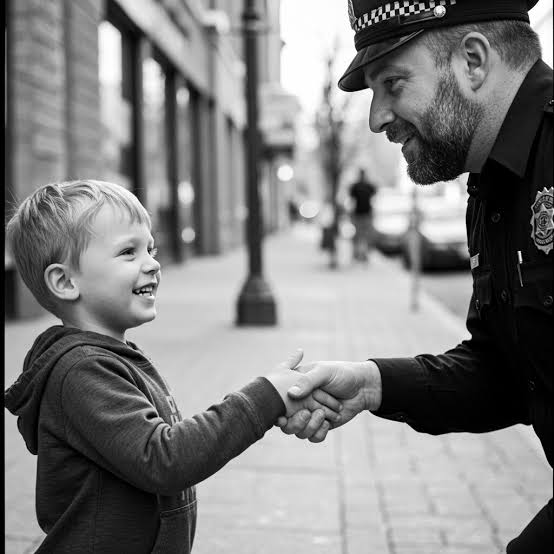
One of the most crucial pillars of efficient policing is trust between law enforcement and the communities they serve. Police rely on citizens to report crimes, give information, testify, assist with investigations, and take part in initiatives to prevent crime. However, just because an organization declares that it engages in community policing does not establish […]
The Need for and Controversial Use of Police Discretion
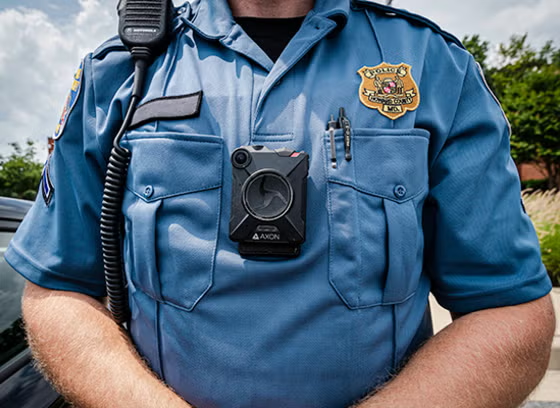
Police officers frequently come across circumstances where the law offers advice but does not control every choice they must make. An officer may have to choose between issuing a warning or citation, making an arrest, looking into the matter further, trying to defuse a tense situation, or directing someone to another service. Police discretion is […]
Police Officers’ Changing Role in Contemporary Society

Introduction Historically, police personnel have been largely seen as law enforcement officials tasked with upholding public order, preventing crime, and apprehending offenders. Even though these duties are still crucial, modern policing has grown to be a far more expansive and intricate profession. Officers today are expected to be problem solvers, technology users, community partners, crisis […]
Understanding the Causes of Crime in Society Today

There isn’t a single, straightforward source of crime today. Individual decisions, family experiences, peer pressure, financial circumstances, community settings, and opportunity to commit crimes typically interact to produce criminal conduct. Most people who suffer from poverty, trauma, mental health issues, or unstable families never commit crimes, so these situations shouldn’t be used as presumptive justifications […]
Artificial Intelligence in Criminal Justice: Advancements, Dangers, and Accountability

Artificial intelligence is transforming the way criminal justice organizations handle information, monitor people, conduct criminal investigations, and make decisions. AI-assisted systems can be used by law enforcement to compare facial photos, identify license plates, assess digital evidence, analyze crime patterns, and study surveillance footage. Automated tools for case administration, risk assessment, institutional security, and community […]