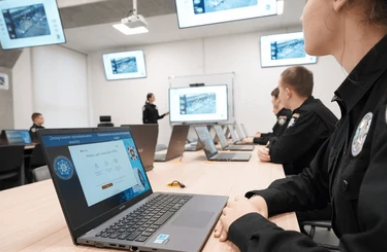
Developing Critical Thinking and Judgment Skills
Police officers frequently evaluate inadequate information, weigh conflicting explanations, and make important decisions. Officers can develop these abilities through research, discussion, and analysis in higher education. Studying sociology, psychology, criminal justice, or other fields can assist them in closely examining presumptions and assessing the facts. When paired with hands-on training and experience, this education can help cops respond thoughtfully to the complicated situations they come across.
Enhancing Interaction and Community Connections
Clear communication with individuals from diverse backgrounds is essential to effective policing. Officers can use the writing, listening, and presentation skills they learn in college to prepare reports, explain decisions, interview witnesses, and address community issues. Officers may be inspired to think about how other people see their interactions with the police by being exposed to a variety of viewpoints. These skills are important when feelings are running high and a polite discussion can ease tension or clear up misunderstandings.
Increasing Professional Accountability and Ethical Awareness
Examining challenging issues of authority, discretion, justice, and accountability is made possible by higher education. Officers can investigate how professional choices impact people and communities through case studies and class discussions. Students are encouraged to justify their decisions, identify conflicts of interest, and think about the repercussions of their acts in ethics and leadership courses. While education helps foster the habits of introspection and accountability that competent policing demands, a degree by itself cannot ensure moral behavior.
Getting Officers Ready for Leadership and Ongoing Education
Beyond obtaining a credential, higher education is valuable. Officers can be prepared to assess programs, comprehend organizational difficulties, and participate in policy deliberations by taking courses in management, public administration, technology, and research. Additionally, it can help students cultivate interests and abilities that are pertinent to specialized tasks or upcoming leadership roles. Officers have more possibilities to develop throughout their careers and effectively serve their communities when organizations link education with mentoring, real-world experience, and continuous training.
Recommended Resources