How the Criminal Court Process Works

Understanding the Criminal Court System The purpose of the criminal court process is to ascertain whether a person accused of a crime should be held legally accountable while safeguarding the accused’s fundamental rights. Criminal cases often go through several identifiable stages, despite some variations across federal and state authorities. These consist of the initial court […]
Police Burnout, Stress, and Post-Traumatic Stress

Pressure Officers in the tough field of law enforcement are subjected to pressures that are uncommon in most other professions. Police officers are expected to maintain composure and make wise decisions when responding to violent incidents, major accidents, domestic conflicts, fatalities, child abuse, and other distressing events. Officers may face lengthy shifts, required overtime, staffing […]
Social Media’s Influence on Juvenile Crime

Social Media and the Changing World of Young People Social media has changed the way young people communicate, build friendships, learn about the world, and express themselves. For many teenagers, social media is simply part of everyday life. It can provide opportunities for creativity, education, entertainment, and positive connections with others. However, the same platforms […]
De-escalation Training and Officer Decision-Making
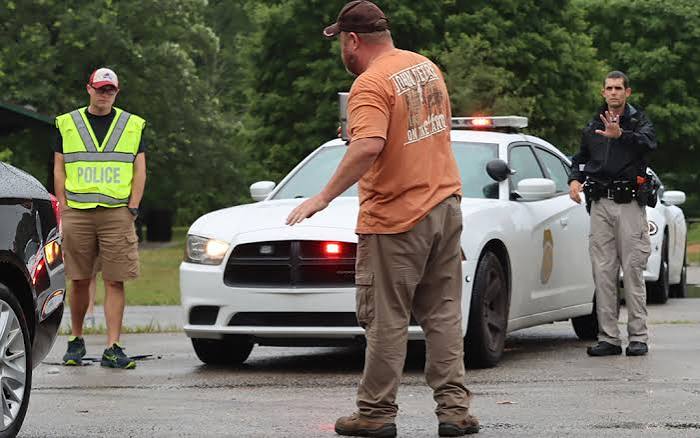
Split Second Decisions Law enforcement personnel frequently must make difficult choices in unpredictable, stressful, and quickly evolving circumstances. Officers may only have a few seconds to assess the situation and choose the best course of action when responding to traffic stops, suspicious-person reports, behavioral health emergencies, domestic disturbances, and other situations. De-escalation training has grown […]
Cybercrime and the Changing Nature of Victimization

Nature of Crime and Victimization The nature of crime and victimization has been drastically altered by the quick advancement of technology. As people depend more and more on computers, smartphones, social media, online banking, and other digital services, criminals have more chances to conduct crimes without ever coming into contact with their victims. Cybercrime encompasses […]
Rural Policing Versus Urban Policing
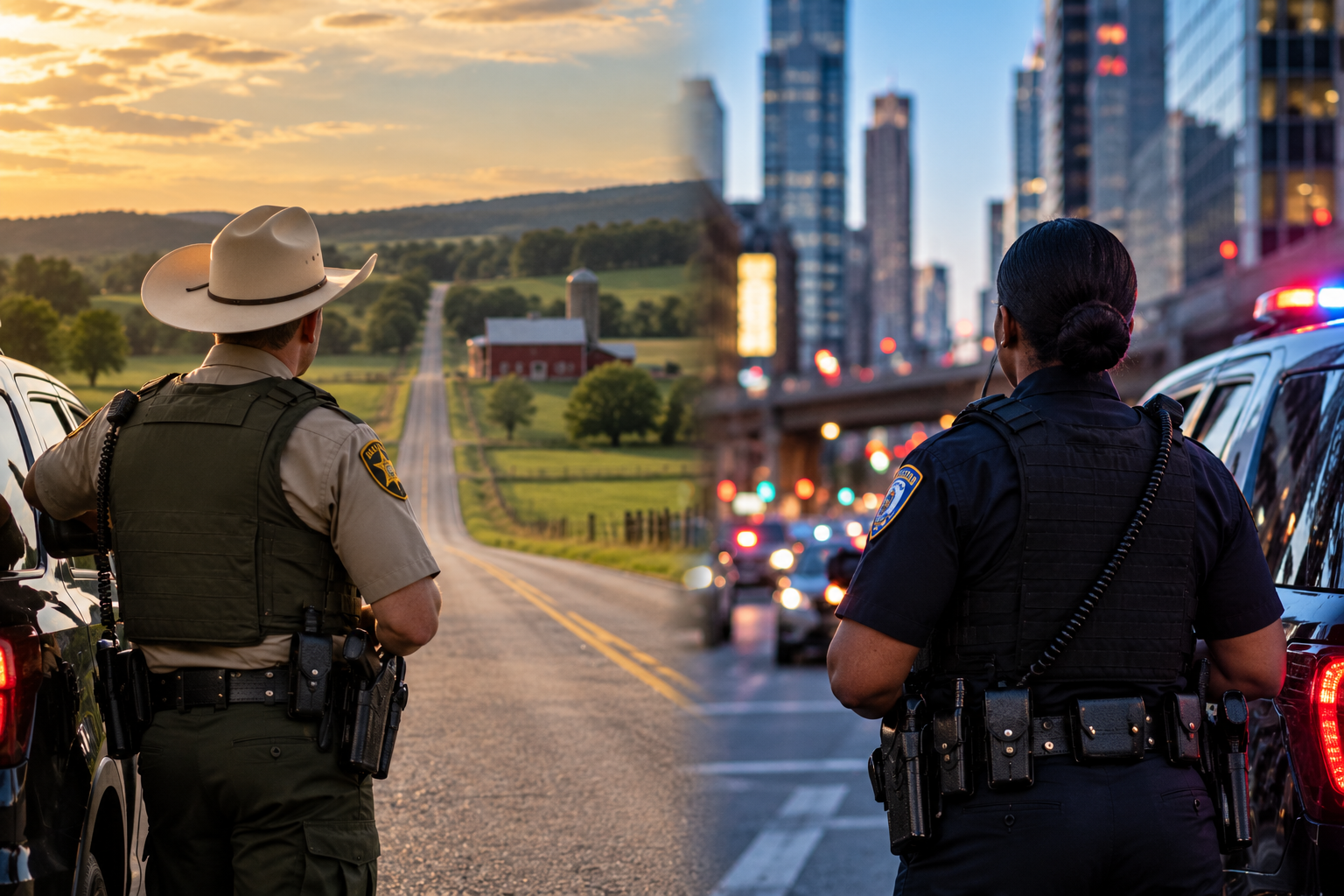
Protecting communities, upholding the law, handling emergencies, and preserving public safety are all shared responsibilities among law enforcement organizations in the United States. However, how these duties are performed can be greatly impacted by the environment in which officers operate. Geographical location, staffing, resources, community ties, and availability to specialized services are some of the […]
Why Law Enforcement Agencies Struggle With Retention
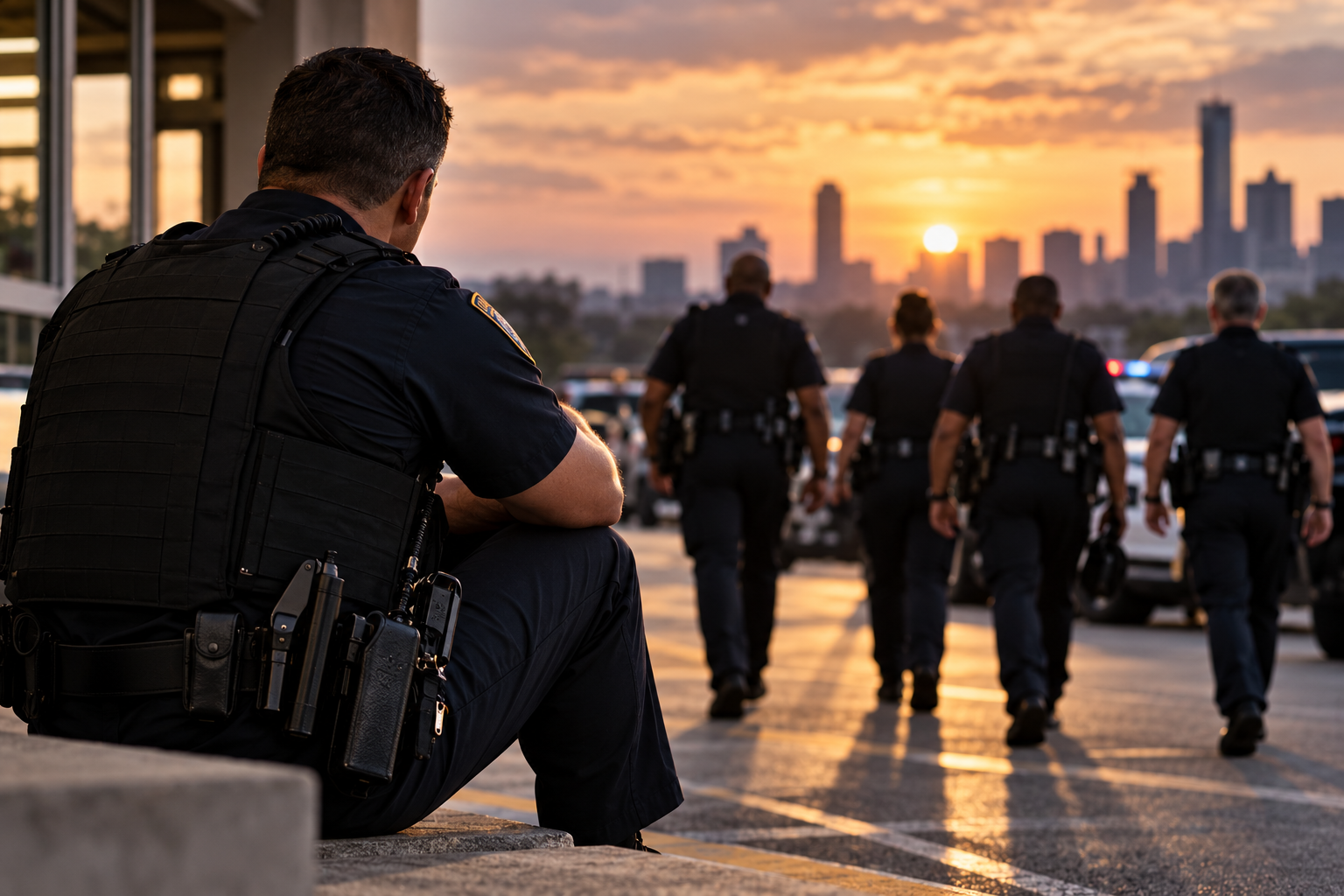
Facing the Issues The United States’ law enforcement agencies continue to struggle with both hiring and keeping qualified officers. Departments may lose years of institutional knowledge, community connections, investigative expertise, leadership, and mentoring ability when veteran officers quit. Agencies have faced serious staffing issues in recent years due to retirements and resignations, according to the […]
How Body-Worn Cameras Affect Police Accountability
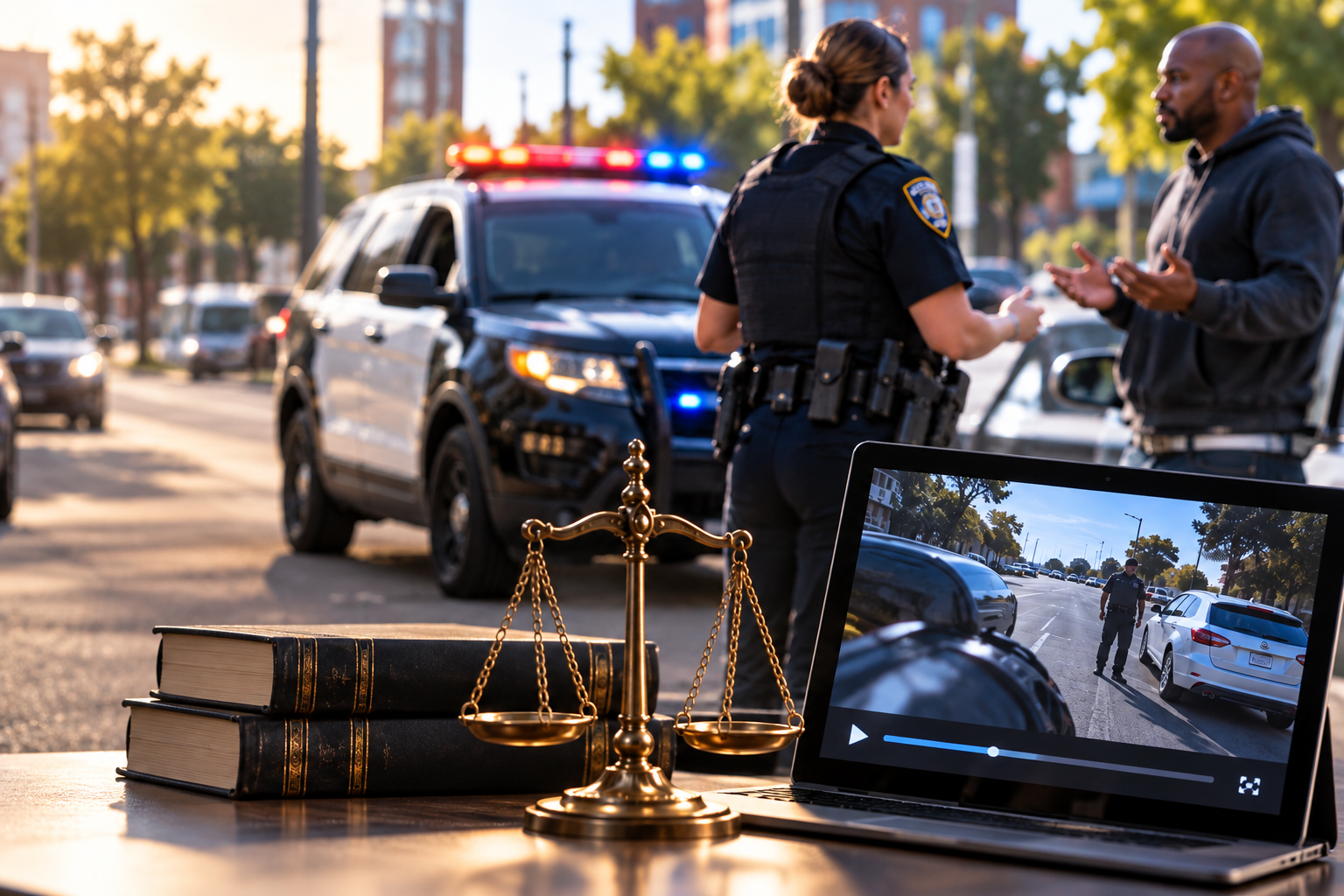
Body-Worn Cameras in Policing Body-worn cameras, or BWCs, are becoming a significant component of contemporary law enforcement and the ongoing debate about police accountability and openness. These tiny recording devices, which can record encounters between police officers and members of the public, are usually placed on an officer’s uniform. One of the main justifications for […]
The Importance of Ethics in Law Enforcement
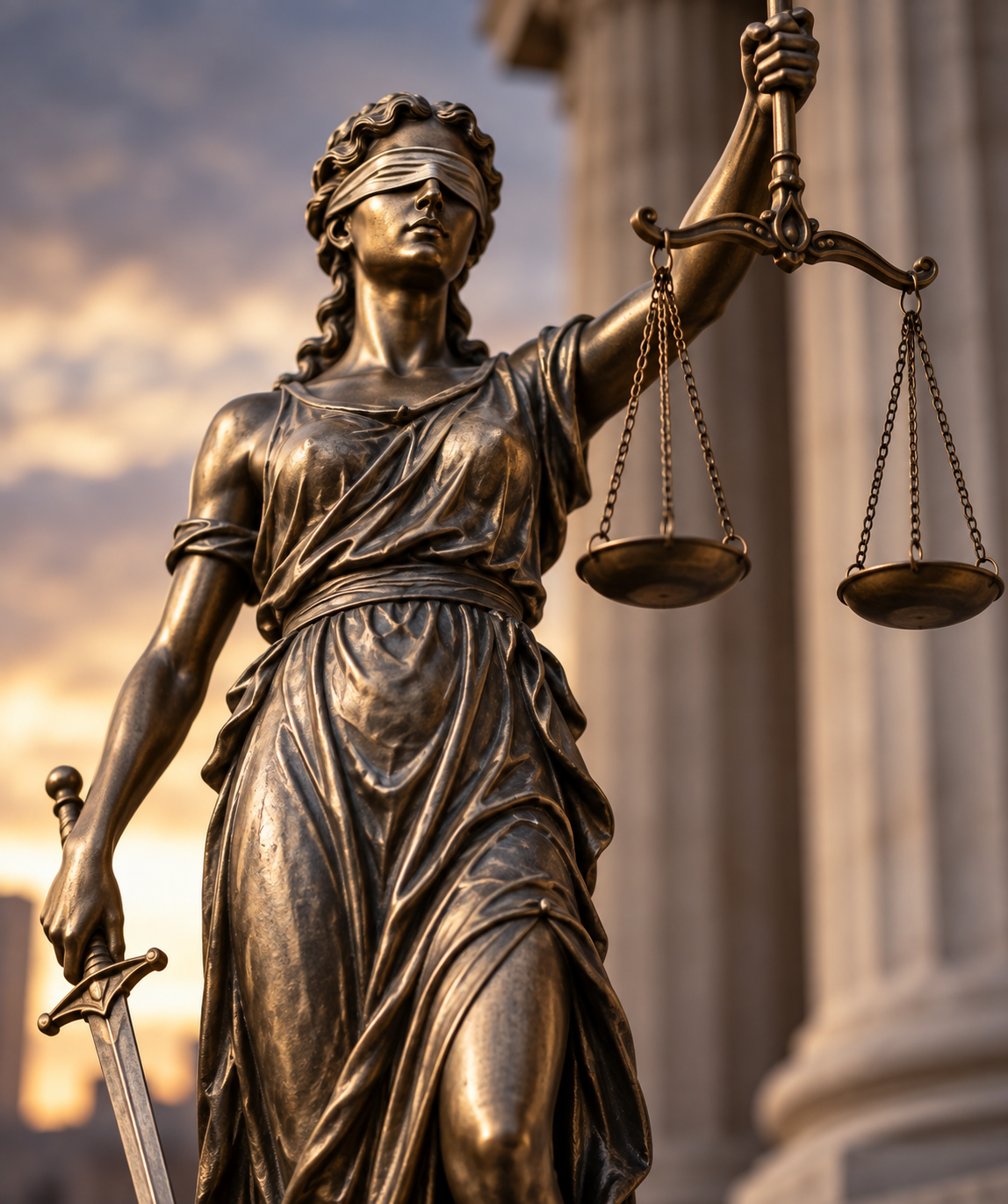
Ethics in the Field One of the most crucial pillars of professional law enforcement is ethics. Significant authority is granted to police personnel, including the ability to hold people, make arrests, carry out legal searches, and use reasonable force when required. This power entails an unusual need to use good judgment, abide by the law, […]