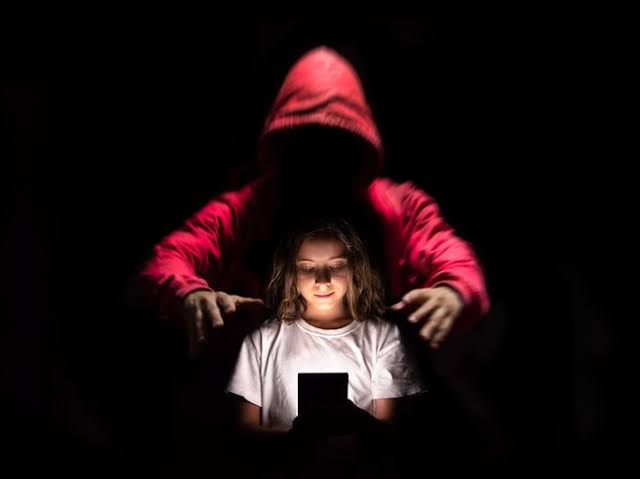
Social Media and the Changing World of Young People
Social media has changed the way young people communicate, build friendships, learn about the world, and express themselves. For many teenagers, social media is simply part of everyday life. It can provide opportunities for creativity, education, entertainment, and positive connections with others. However, the same platforms can also expose young people to cyberbullying, peer pressure, inappropriate content, threats, and harmful behavior. When discussing juvenile crime, it is important not to blame social media for every problem involving young people. Social media does not automatically cause delinquency. Instead, it creates another environment where young people interact and where both positive and negative influences can develop.
Peer Pressure in the Digital World
Peer influence has always played an important role during adolescence, but social media can dramatically expand its reach. Years ago, peer pressure might have primarily occurred among friends at school or within a neighborhood. Today, teenagers can receive reactions from hundreds or even thousands of people online. Likes, comments, shares, and views can sometimes encourage young people to seek attention or approval. Unfortunately, risky or inappropriate behavior may receive significant attention online. Videos involving fights, dangerous challenges, vandalism, threats, or other misconduct can spread quickly. For some young people, the desire for recognition may influence decisions they would not otherwise make. This does not mean that every teenager who uses social media will engage in risky behavior, but it demonstrates how online attention can become another form of peer influence.
When Online Conflict Becomes Real-World Conflict
Cyberbullying is another major concern. Arguments that once might have ended when students left school can now continue throughout the day and night through social media, messaging applications, and other digital platforms. Comments, photographs, videos, and rumors can also reach large audiences within minutes. In some situations, an online disagreement may eventually contribute to an in-person confrontation. Threats, harassment, stalking, intimidation, and the sharing of embarrassing material can have serious consequences for everyone involved. Schools, families, law enforcement agencies, and juvenile justice professionals must recognize that the separation between a young person’s online and offline life has become increasingly difficult to define.
Prevention Through Education and Communication
Simply telling teenagers to stop using social media is unlikely to solve these problems. Technology is deeply connected to modern education, communication, and social interaction. Prevention should therefore focus on teaching young people how to use technology responsibly. Parents and educators can discuss the permanence of online behavior, protecting personal information, recognizing dangerous situations, responding to cyberbullying, and reporting credible threats. Young people should also understand that something posted as a joke or in a moment of anger can have consequences at school, at home, and potentially within the juvenile justice system. Open communication is particularly important. Young people should feel comfortable speaking with a trusted adult when something occurring online makes them feel threatened, pressured, or unsafe.
What This Means for Juvenile Justice
Social media has not replaced the traditional influences associated with juvenile delinquency. Family relationships, friends, schools, neighborhoods, personal experiences, and individual decision-making continue to matter. What has changed is the environment in which many of these influences now operate. Juvenile justice professionals increasingly need to understand both the online and offline worlds of young people. Social media can provide valuable connections and opportunities, but it can also amplify conflict, peer pressure, bullying, and risky behavior. The goal should not simply be keeping young people away from technology. Instead, families, schools, communities, and criminal justice professionals should work together to help young people make responsible decisions in a world where their digital and real-world lives are increasingly connected.
Photo Credit: Denise Miller
Recommended Resources