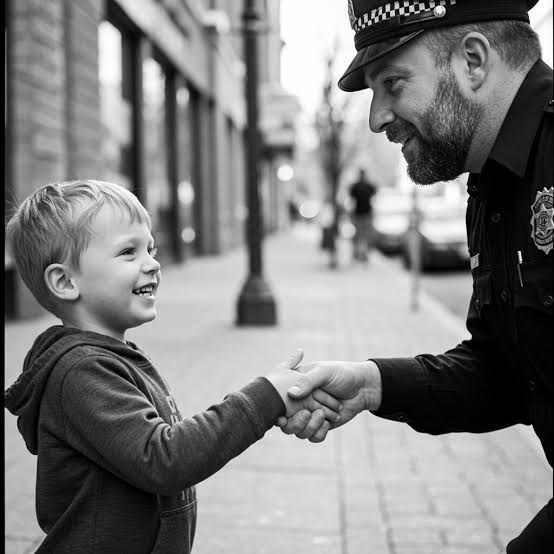
One of the most crucial pillars of efficient policing is trust between law enforcement and the communities they serve. Police rely on citizens to report crimes, give information, testify, assist with investigations, and take part in initiatives to prevent crime. However, just because an organization declares that it engages in community policing does not establish trust. Residents come to believe that police are approachable, courteous, equitable, and truly concerned about the issues facing their communities as a result of frequent encounters.
Responding to calls, making arrests, and upholding the law are no longer the only aspects of policing; community policing is a change in perspective. Rather, it places more emphasis on community-police collaborations, problem-solving, prevention, and continuous participation. Officers may participate in community events, work with businesses and schools, attend neighborhood meetings, build connections with local organizations, and work with locals to discover persistent issues. Officers and people can engage in these actions outside of the context of law enforcement.
Why Community Relationships Matter
Positive interactions between cops and the public are one of the biggest potential advantages of community policing. When people saw positive police-community interactions, they expressed more positive opinions about the police, including increased trust and confidence, according to a study that looked at over 1,000 people who lived or worked in crime hotspots. On the other hand, more negative opinions of police were linked to more exposure to investigative and enforcement activities (Koper et al., 2022).
This distinction is crucial. A person has few opportunity to gain a more comprehensive understanding of the police if they only come into contact with them after a traffic stop, arrest, investigation, or emergency. Officers and citizens can interact through community policing without the immediate constraints of enforcement.
Officers may also gain from these exchanges. Officers who work in areas on a daily basis might gain a deeper comprehension of local issues, persistent issues, and resources. Instead of viewing the police department solely as an institution, residents have the chance to get to know policemen as people.
Procedural Justice and Trust
The idea of procedural justice is intimately related to community policing. Procedural justice is concerned with how people are treated during the decision-making process as well as the decisions that police make. Allowing people to voice their opinions, making judgments impartially, explaining reliable motivations, and treating people with respect and decency are all crucial components.
Mazerolle et al. (2013) conducted a systematic review that looked at police interventions that included procedurally just dialog. Although the impact on legitimacy was not statistically significant, the researchers discovered favorable effects on a variety of outcomes, including citizen satisfaction, confidence, collaboration, compliance, and views of procedural justice. These results imply that when agencies try to improve ties with the public, the caliber of police-citizen interactions is crucial. Even after taking into consideration neighborhood-level factors such concentrated disadvantage, research has shown a high correlation between procedural justice and opinions of police legitimacy (Office of Justice Programs) (Gau et al., 2012). (Justice Assistance Bureau) This emphasizes a crucial aspect of community policing: simply being present in a neighborhood is insufficient. It concerns how officers engage with the public while they are there.
Does Community Policing Actually Build Trust?
Research indicates that community-focused tactics can strengthen public trust, especially when they foster constructive relationships and include procedural justice. Although its effects on outcomes like violence and fear of crime may be more restricted, research studies have linked community-oriented policing to beneficial effects on citizen satisfaction and perceptions of police legitimacy (Neyroud, 2024).
Community policing, however, shouldn’t be seen as a panacea (OUP Academic). Trust is not ensured by merely designating a program as “community policing.” Implementation, consistency, officer conduct, organizational leadership, community involvement, and whether or not locals think their issues truly affect police tactics all affect how successful these initiatives are.
Therefore, rather than being a singular program, community policing is better understood as an ongoing relationship.
The Future of Police-Community Relationships
As policing continues to evolve, agencies should consider public trust alongside traditional measures of police performance. Arrest numbers, response times, clearance rates, and crime statistics remain important, but they do not fully explain the quality of the relationship between a police department and its community.
Law enforcement officers need community cooperation, and communities need police agencies they believe will treat people fairly and respond effectively when assistance is needed. Building that relationship requires officers to listen as well as speak, engage before crises occur, treat people with dignity during enforcement encounters, and recognize that legitimacy is developed through everyday actions.
Perhaps the most important question, then, is not simply “Does community policing build public trust?”
A better question may be: What are police departments doing every day to earn and maintain that trust?
References
Gau, J. M., Corsaro, N., Stewart, E. A., & Brunson, R. K. (2012). Examining macro-level impacts on procedural justice and police legitimacy. Journal of Criminal Justice, 40(4), 333–343.
Koper, C. S., Taylor, B. G., Liu, W., & Wu, X. (2022). Police activities and community views of police in crime hot spots. Justice Quarterly, 39(7), 1400–1427.
Mazerolle, L., Bennett, S., Davis, J., Sargeant, E., & Manning, M. (2013). Procedural justice and police legitimacy: A systematic review of the research evidence. Journal of Experimental Criminology, 9(3), 245–274.
Neyroud, P. (2024). Re-defining evidence-based policing. Policing: A Journal of Policy and Practice, 18.
Rosenbaum, D. P., Lawrence, D. S., Hartnett, S. M., McDevitt, J., & Posick, C. (2015). Measuring procedural justice and legitimacy at the local level: The police-community interaction survey. Journal of Experimental Criminology, 11(3), 335–366.
Tyler, T. R. (2014). Legitimacy and procedural justice: A new element of police leadership. Office of Justice Programs.
Recommended Resources