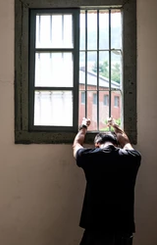
The Difficulty of Locating a Residence
Rebuilding daily routines, relationships, and financial security are all part of reentering the community following jail. One of the first and hardest things to do is to find a safe location to reside. Housing possibilities may be limited by a criminal record, little savings, gaps in renting history, and strained family ties. In the absence of a stable place to live, people may alternate between shelters, temporary housing, and homelessness while attempting to build a stable future.
How Housing Affects Successful Reintegration
Housing serves as a basis for numerous other aspects of reintegration. It is simpler to pursue jobs, attend appointments, and continue therapy when one has a safe place to sleep, store possessions, and receive communications. These initiatives may be hampered by housing instability, which can force people to make tough decisions between short-term survival needs and long-term objectives. Given the interdependence of these needs, reentry planning should take housing into account in addition to transportation, health care, job, and family support.
The Limitations of Relying on Family
Although living with family is not always feasible or sustainable, family members frequently offer crucial support during incarceration. The arrangement may be challenging for a home because of a lack of room, financial constraints, or unresolved disputes. Additionally, loved ones can require assistance in establishing limits and figuring out what kind of care they can provide. Instead than presuming that every returning person has a family home available, effective reintegration planning understands these limitations and creates alternatives.
Creating More Stable Paths Forward
Correctional agencies, housing providers, community organizations, and individuals with lived experience must work together to address housing insecurity. Identifying practical solutions, securing identifying documents, and connecting people with support can all be facilitated by planning ahead of time. Clear expectations, suitable assistance, and pathways to independence should be included in both transitional housing and longer-term housing support. When communities view secure housing as a crucial component of assisting individuals in rebuilding their lives and fulfilling their obligations, reintegration is strengthened.
Join us
🌐 Website: https://drgeorgeackerman.com/
📚 Amazon Author Page: amazon.com/author/drgeorgeackerman
📧Email: QAwithProfAckerman@gmail.com
🎙️Podcast: https://drgeorgeackerman.com/podcast/
💼 LinkedIn: https://www.linkedin.com/in/george-ackerman-phd-jd-5946a8290
✍️ Substack: https://substack.com/@drgeorgeackerman
📸 Instagram: https://www.instagram.com/qawithprofackerman/
📘 Facebook: https://www.facebook.com/profile.php?id=61595878768395
📝 Blog: https://drgeorgeackerman.com/blog/
▶️ YouTube: https://www.youtube.com/@QAwithProfAckerman